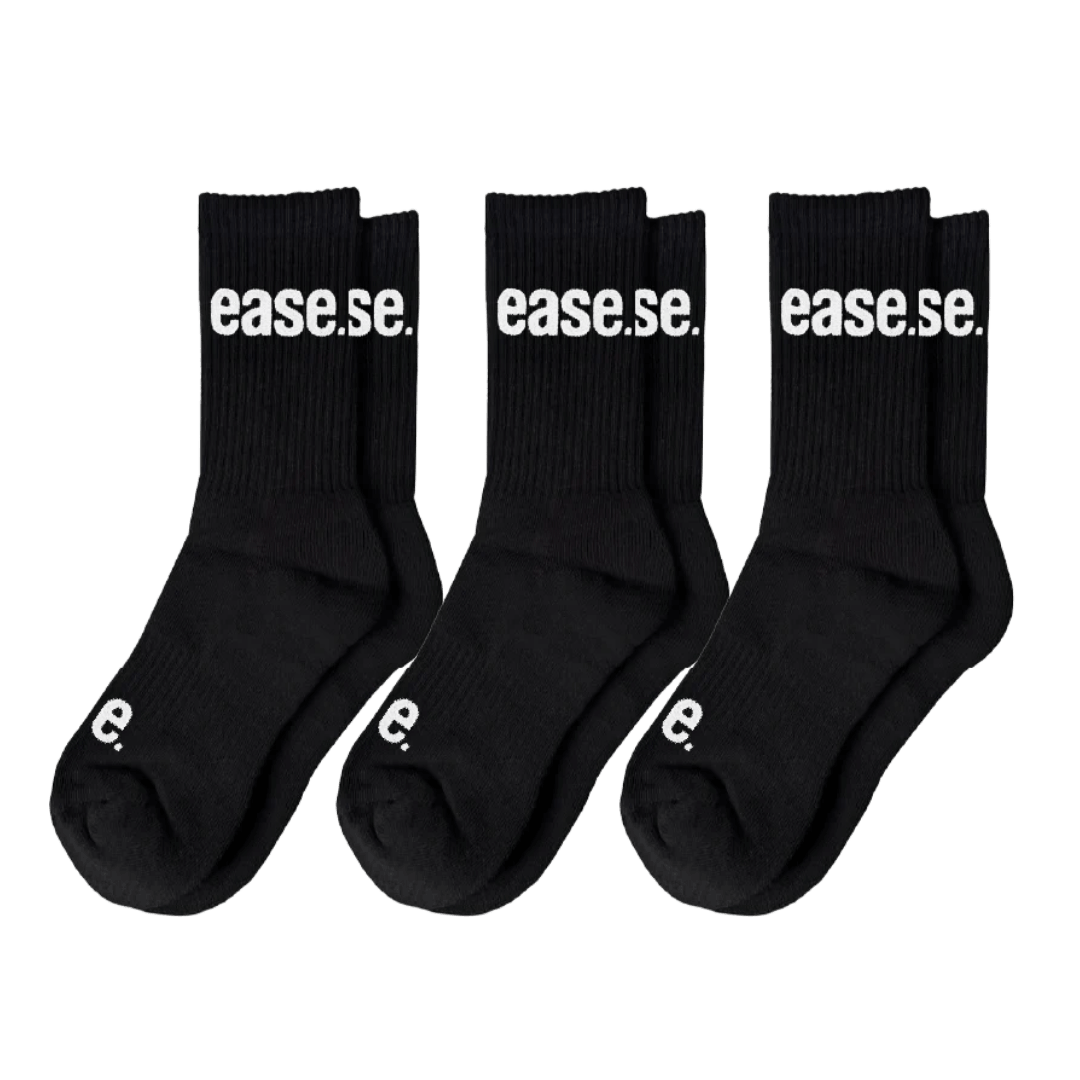
Are you unsure whether to wear high-top or low-top sports socks at the gym? This article explains which works best during training and why choosing merino or synthetic material impacts comfort and performance.
In the gym, it's all about comfort, freedom of movement, and focus. Yet, the choice of sports socks is often underestimated. Many athletes wonder whether high- or low-top sports socks are better for training. The answer depends on the type of workout, your personal preference, and the material of the socks.
Both high-waisted and low-waisted athletic socks have their own advantages. So, one option isn't always better. By understanding the benefits of each type of sock, you can make the right choice for your workouts.

Low sports socks in the gym
Low-top athletic socks are often chosen for their lightweight and minimalist feel. They're popular with athletes who do a lot of cardio, such as treadmill running or cycling. Because low-top athletic socks have less fabric, they feel airy and offer greater freedom of movement around the ankle.
For workouts that involve a lot of movement and minimal friction around the ankle, low-top athletic socks are often sufficient. They provide ventilation and keep your feet cool, especially when paired with breathable athletic shoes. It's important that they stay in place so they don't slide down during exercise.

High sports socks for extra support
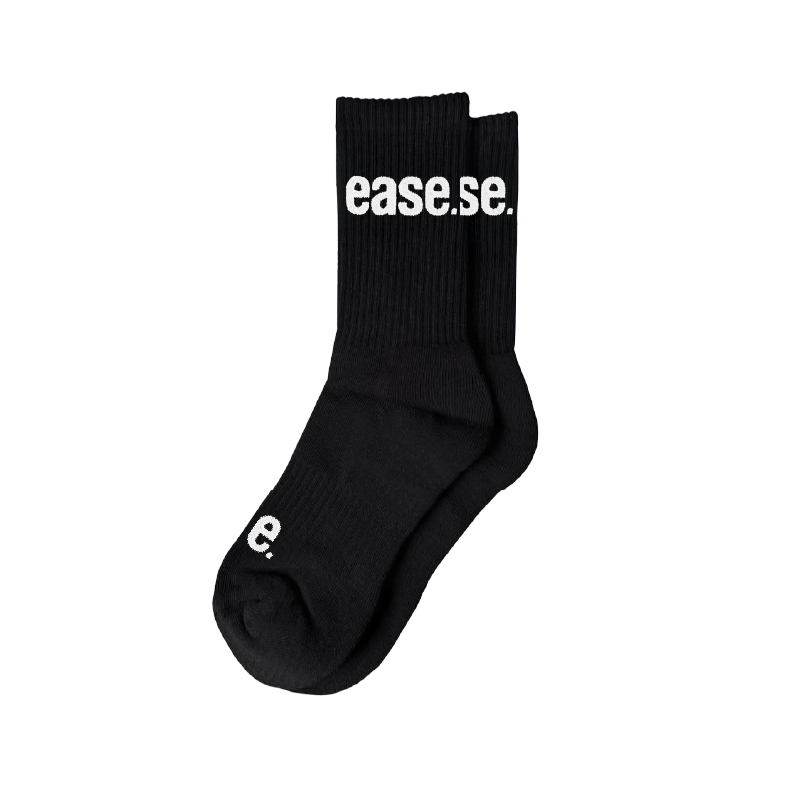
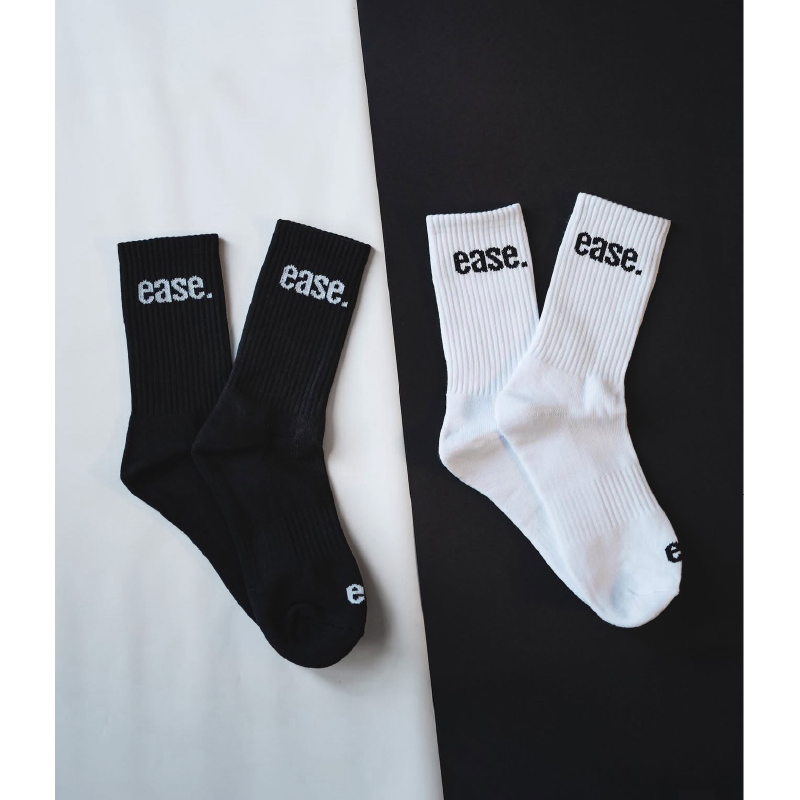
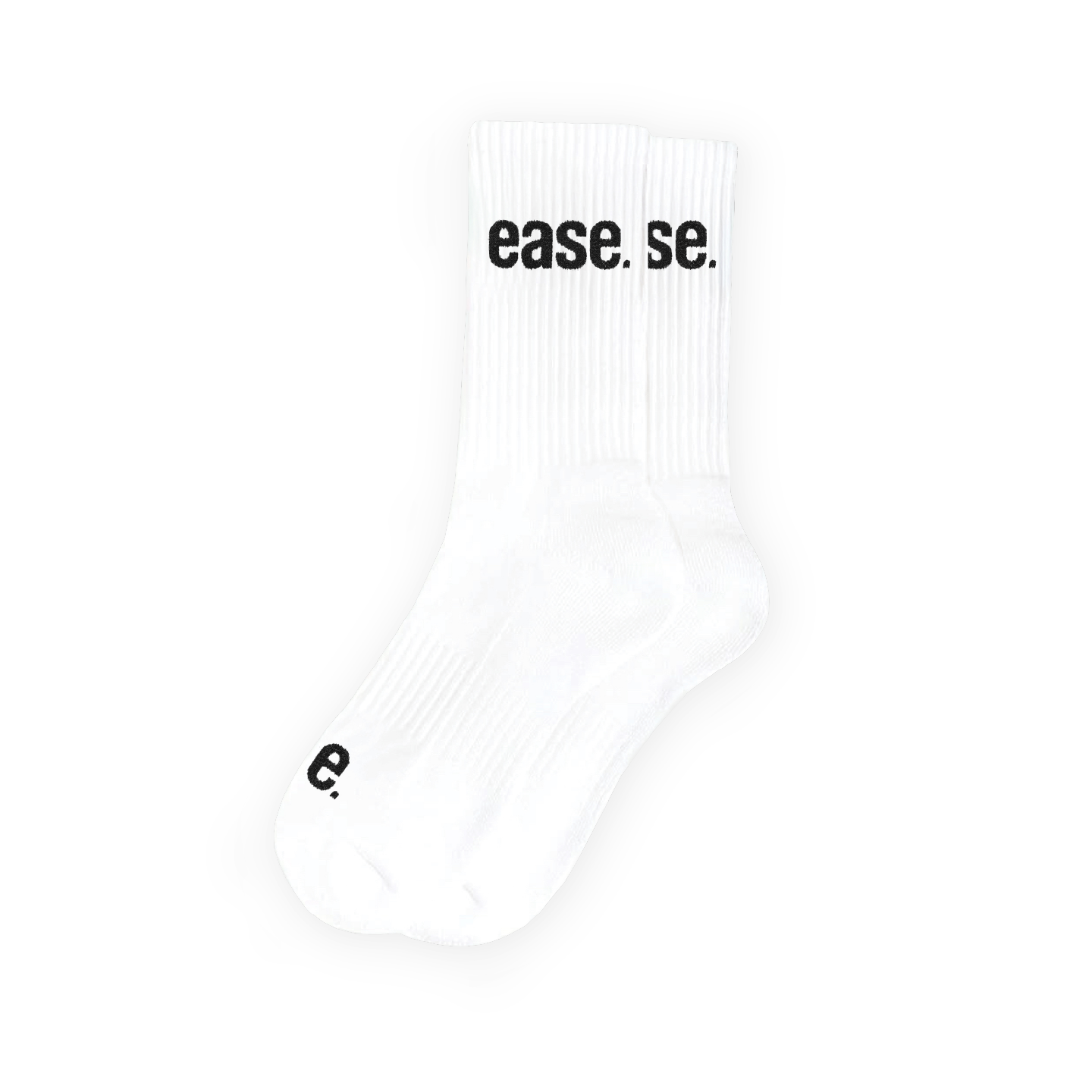
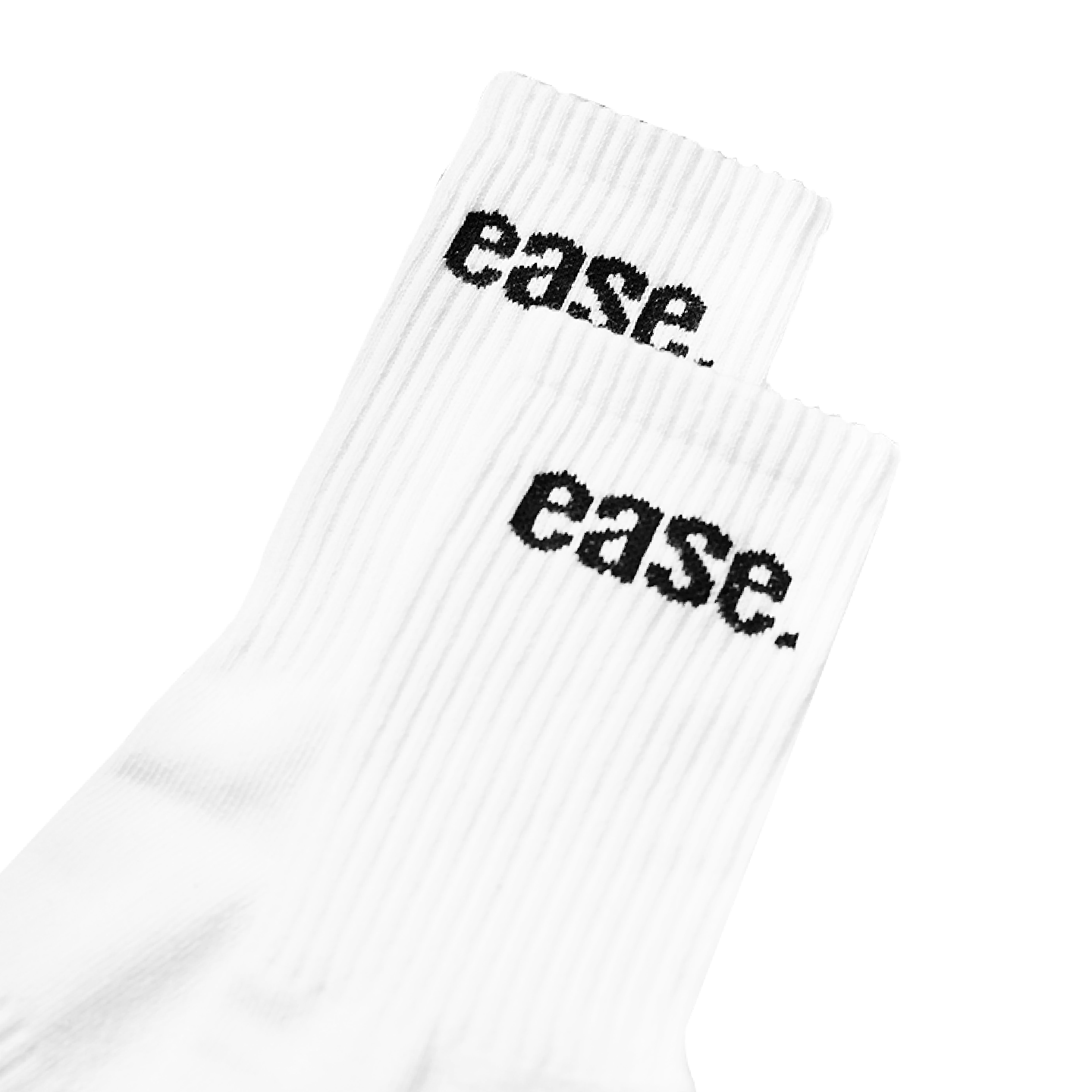
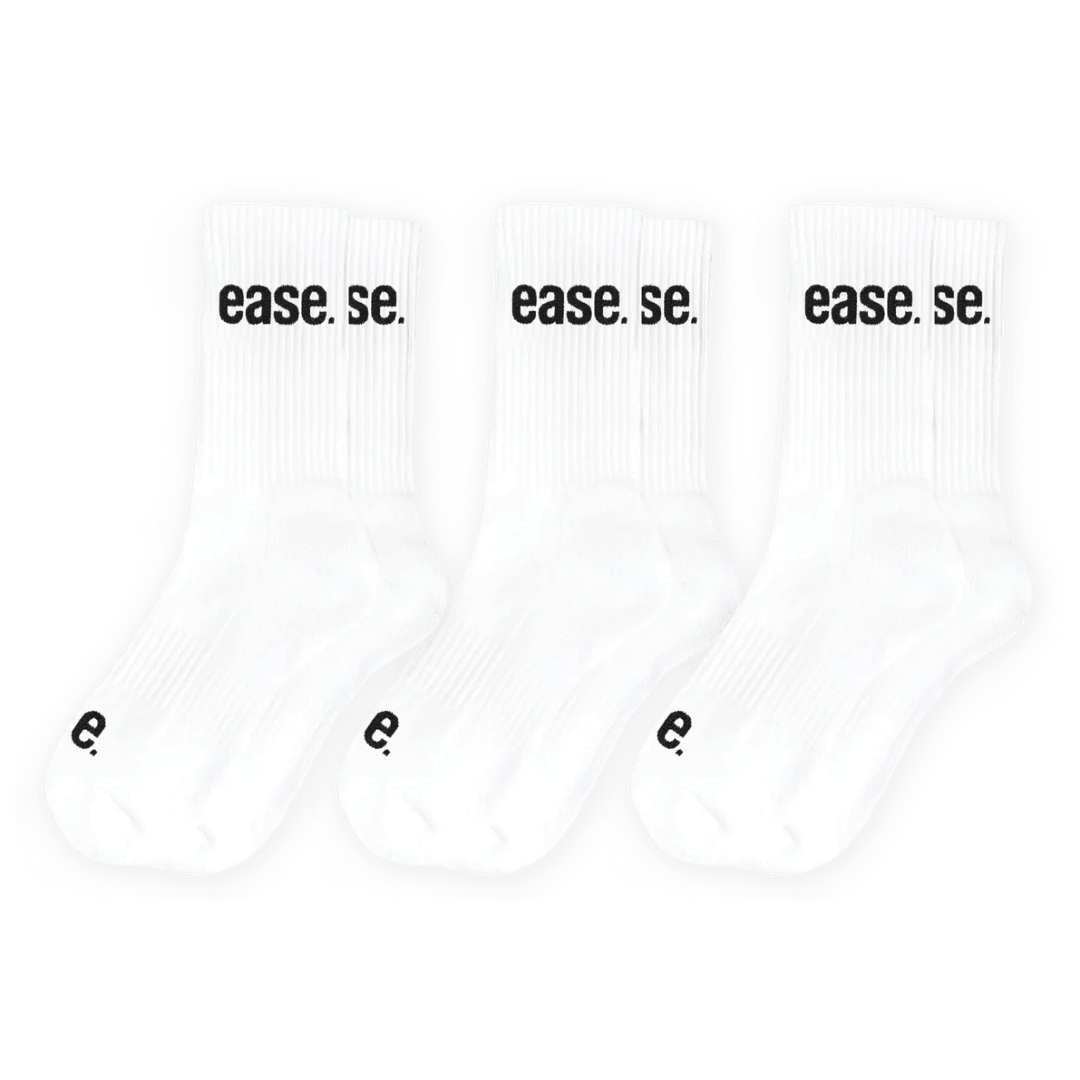
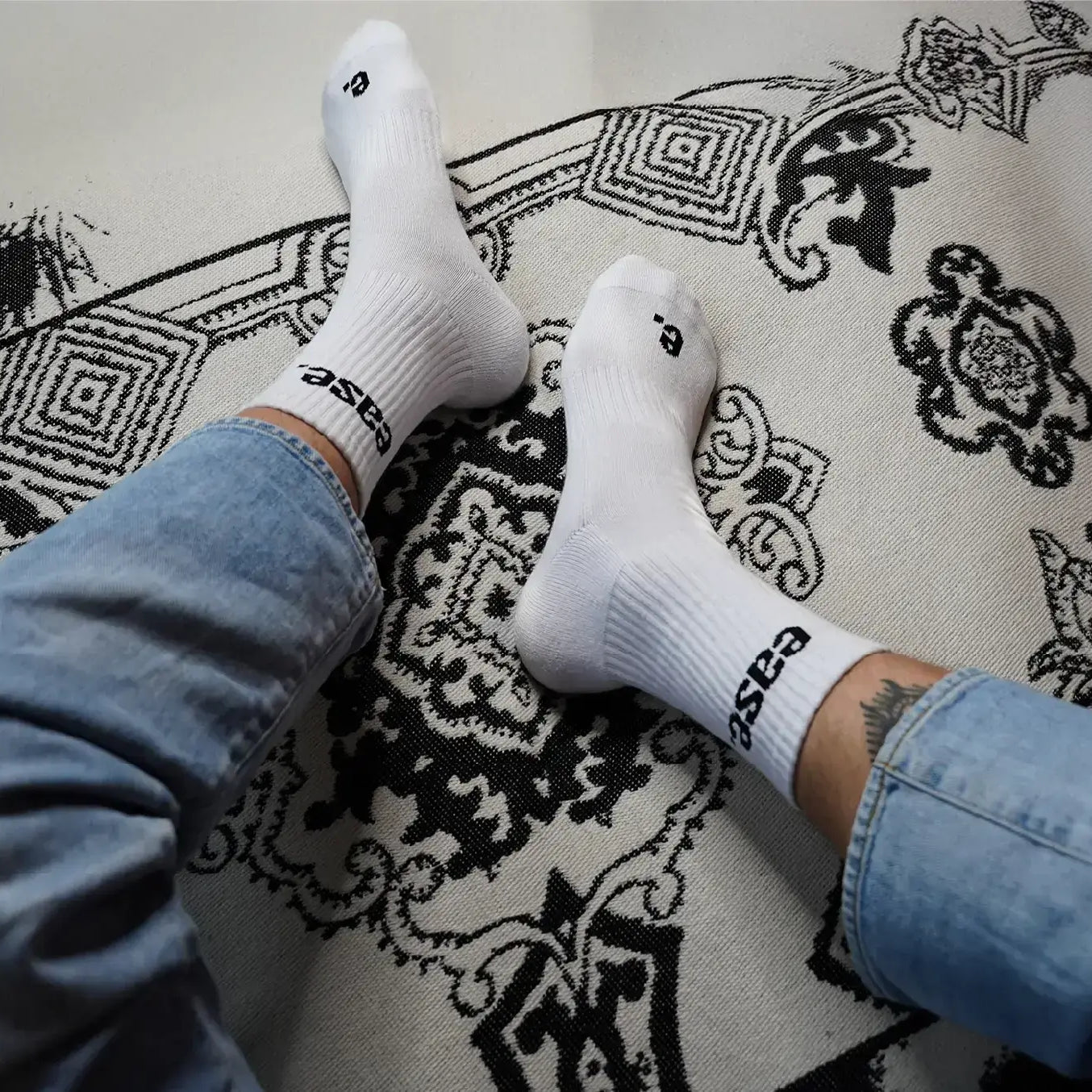
High-top athletic socks are especially popular for strength training and functional workouts. Think of squats, deadlifts, and exercises that require a lot of stability. High-top socks cover the ankle and part of the lower leg, providing extra protection against chafing and impact.
In addition, taller athletic socks often provide a firmer feel around the ankle. This can be beneficial during heavy lifts or exercises that require your feet to stay firmly planted in your shoes. Many athletes also consciously choose taller athletic socks for cross-training and intense workouts.
Comfort and safety during training
In the gym, comfort isn't just a luxury; it's also crucial for safety. Sports socks should fit well, wick away sweat, and prevent chafing. Whether you choose high-waisted or low-waisted sports socks, the fit and material are just as important as the height.
Socks that are too loose can shift, causing blisters or irritation. Socks that are too tight can pinch and restrict blood flow. Therefore, it's important to choose sports socks that are designed for intensive use and flex with your feet.
Why choose merino or synthetic for sports socks?
Besides the sock's height, the material plays a major role. Many athletes hesitate between merino wool and synthetic materials for sports socks . Both have distinct advantages, depending on your training style.
Merino wool is known for its natural temperature regulation. It keeps your feet warm in cold weather and cool in hot weather. Merino also naturally inhibits odor, which is ideal for long or intense workouts. Merino sports socks feel soft and are comfortable for athletes with sensitive feet.
Synthetic sports socks, on the other hand, are often lighter and dry faster. They wick away sweat efficiently and retain their shape well, even after many washes. For intense gym workouts where you sweat a lot, synthetic socks are often a practical choice. They are durable and designed for maximum performance.
Which sports socks suit your training?
The choice between high- or low-rise athletic socks , and between merino and synthetic, depends on your training goals. If you primarily do cardio and light workouts, low-rise athletic socks made of synthetic material are often comfortable and breathable. If you focus more on strength training or functional exercises, high-rise athletic socks offer extra protection and stability.
If you exercise several times a week and want socks that stay fresh, merino wool is a good option. If you train intensively and want socks that dry quickly and can withstand wear and tear, synthetic sports socks are often the best choice.
The right sports socks make the difference
While sports socks may seem like a small part of your outfit, they significantly impact how you train. They support your feet, prevent irritation, and keep you moving comfortably. By consciously choosing the right height and material, you'll get more out of every workout.
Whether you choose high or low-top sports socks, merino or synthetic, the most important thing is that they fit your body and training style. This way, you'll stay focused in the gym and get the most out of every workout.